All Categories
Featured
Table of Contents
- – Financial Realities of Scaling Content Creator...
- – Structural Performance in Massive Material Ranges
- – Quality Assurance and Data Integrity at Scale
- – The Role of Location-Specific Targeting
- – Handling Cloud Costs and Egress Fees
- – Future-Proofing Material for 2027 and Beyond
- – Resource Allocation and Human Skill
- – The Balance of Volume and Value

Financial Realities of Scaling Content Creator in 2026
Handling countless digital possessions simultaneously requires a shift in how budget plans are designated. In previous cycles, the cost of content was measured by the hour or by the word. By 2026, the industry has actually approached a design where infrastructure and data orchestration use up the biggest share of the balance sheet. High-volume releases are no longer about manual entry. Rather, they depend on templates that pull from live information sources to populate hundreds of distinct pages in seconds.Efficiency in this environment depends on how well a system deals with repeat logic. If every page requires a fresh database query, the server costs will spiral. Successful groups now focus on static generation or innovative caching layers that keep the results of a question for numerous users. This technique lowers the load on the backend and keeps the user experience fast, which stays a key factor for search visibility. When taking a look at Content Creator, the goal is to decrease the computational expense per page view.
Structural Performance in Massive Material Ranges
The architecture of a massive site identifies its long-term practicality. When a website grows from one hundred pages to 10 thousand, little errors in the code become pricey issues. In 2026, developers typically rely on headless systems where the material is separated from the discussion layer. This enables for fast updates across the whole directory site without requiring to touch specific files.Organizations that concentrate on Real-Time Scraping Systems find that they can keep a smaller technical personnel while managing a bigger footprint. By standardizing the way information is consumed, these organizations avoid the "tech debt" that typically accompanies quick growth. It is about developing a system that expects development rather than reacting to it. Data points like local service accessibility, rates, and particular local details are piped into the layout through variables, guaranteeing that a page for a specific local market remains accurate without manual oversight.
Quality Assurance and Data Integrity at Scale

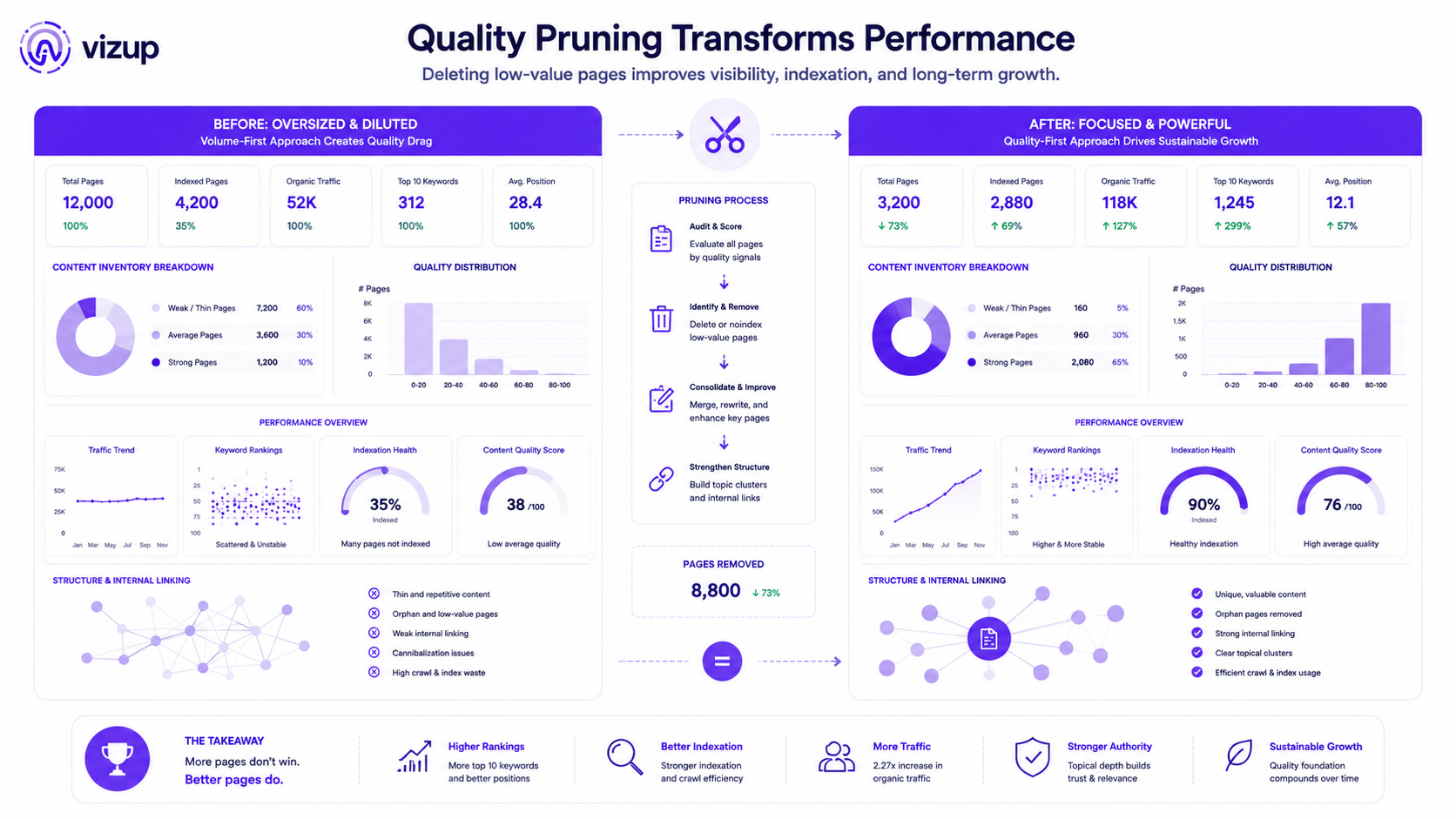
One of the greatest hurdles in programmatic content is making sure that the info remains useful. In 2026, users and search algorithms are fast to dismiss pages that feel hollow or repeated. The expense of a "bad" page is high because it can damage the track record of the whole domain. Automated testing has actually become the requirement for keeping material high-quality. These tests examine for damaged links, missing out on images, and accurate inconsistencies across the whole deployment.Many business have actually discovered that Advanced Real-Time Scraping Systems helps keep these standards without needing a massive editorial group. These systems can flag material that has become out-of-date or no longer matches the intent of the target market. By utilizing Content Creator, editors only require to action in when the system discovers a possible error. This top-level oversight keeps the operation lean. Instead of hiring fifty writers, a firm might work with 2 data experts and one editor to manage a million-page site.
The Role of Location-Specific Targeting
The demand for local significance has actually never been higher. Users in a particular municipality do not wish to see generic details that applies to the whole nation. They desire to know what is occurring in their specific region. Programmatic strategies solve this by injecting local identifiers into every page. This exceeds just swapping a city name. It includes pulling in regional maps, neighborhood-specific facts, and regional pricing.The cost-efficiency comes from the reality that as soon as the design template is built, adding a brand-new city costs almost nothing. The data is the variable, not the style. Many services discover success by recognizing the particular requirements of AI Writing Software in 2026 and structure content around those special requirements. When a page feels like it was composed for a particular street corner, it carries out much better than a general page each time. This localized method is what separates a successful 2026 method from the bulk-content failures of the past.
Handling Cloud Costs and Egress Fees

As page counts increase, so do the expenses from cloud service providers. Data transfer and storage are the covert killers of content budget plans. In 2026, the most intelligent operators utilize edge computing to manage the final delivery of a page. By moving the logic better to the user, the primary server stays quiet, and the expense of power and cooling stays low.Caching techniques have actually likewise progressed. Rather of caching a whole page, modern systems cache "fragments." If the header and footer of a site are the exact same across 10 thousand pages, those parts are cached when. Only the special content in the middle is brought from the database. This modular technique to Content Creator conserves terabytes of information transfer over a month. It likewise makes the website feel immediate to the visitor, regardless of where they are situated.
Future-Proofing Material for 2027 and Beyond
The systems developed today should survive the changes of tomorrow. In 2026, we see a focus on "tidy information" over "more information." A little set of extremely accurate facts is worth more than an enormous database of questionable information. This is due to the fact that online search engine have actually progressed at verifying claims against relied on sources. If a programmatic site starts spreading incorrect info about a local area, it will be delisted within hours.Investing in a sturdy data pipeline is the very best method to make sure a site lasts. This implies having clear sources for each piece of info used in a Content Creator. Whether the information comes from a government API, a personal database, or user-generated evaluations, it must be tracked and upgraded frequently. Automation handles the frequency of these updates, however the strategy behind them should be human-led.
Resource Allocation and Human Skill
Even with huge automation, individuals are still the most vital part of the equation. The distinction in 2026 is what those individuals do. Rather of writing copy, they are now creating the reasoning that generates the copy. They are looking at the performance of Content Creator and tweaking the variables to improve conversion rates.This shift in skill requires a different hiring strategy. Companies are trying to find people who comprehend both data and communication. A person who can compose a script to scrape regional data in a specific province and then turn that data into a readable paragraph is a valued asset. These "content engineers" are the ones driving the most affordable implementations in the current market. They know how to use tools to do the work of a thousand people, keeping the company rewarding even as the digital world becomes more crowded.
The Balance of Volume and Value

The goal of any deployment is to offer worth to the individual on the other side of the screen. Cost-efficiency is ineffective if the end product doesn't fix a problem or address a concern. In 2026, the most successful programmatic websites are those that feel human. They utilize natural language structures and avoid the robotic phrasing that afflicted earlier versions of automated content.By focusing on the particular needs of the local community, a brand can build trust. This trust results in greater engagement and better long-term results. When a visitor arrive on a page and finds precisely what they were trying to find, the cost of generating that page ends up being unimportant compared to the value of the new consumer. Structure at scale is a video game of numbers, but it is also a game of quality. The winners are those who can do both without breaking the bank.

Table of Contents
- – Financial Realities of Scaling Content Creator...
- – Structural Performance in Massive Material Ranges
- – Quality Assurance and Data Integrity at Scale
- – The Role of Location-Specific Targeting
- – Handling Cloud Costs and Egress Fees
- – Future-Proofing Material for 2027 and Beyond
- – Resource Allocation and Human Skill
- – The Balance of Volume and Value
Latest Posts
Bridging the Space In Between Quality and Automation
How Site & Page Builder Scale Material in 2026
How to Scale a Material Company in the AI Era
Latest Posts
Bridging the Space In Between Quality and Automation
How Site & Page Builder Scale Material in 2026
How to Scale a Material Company in the AI Era